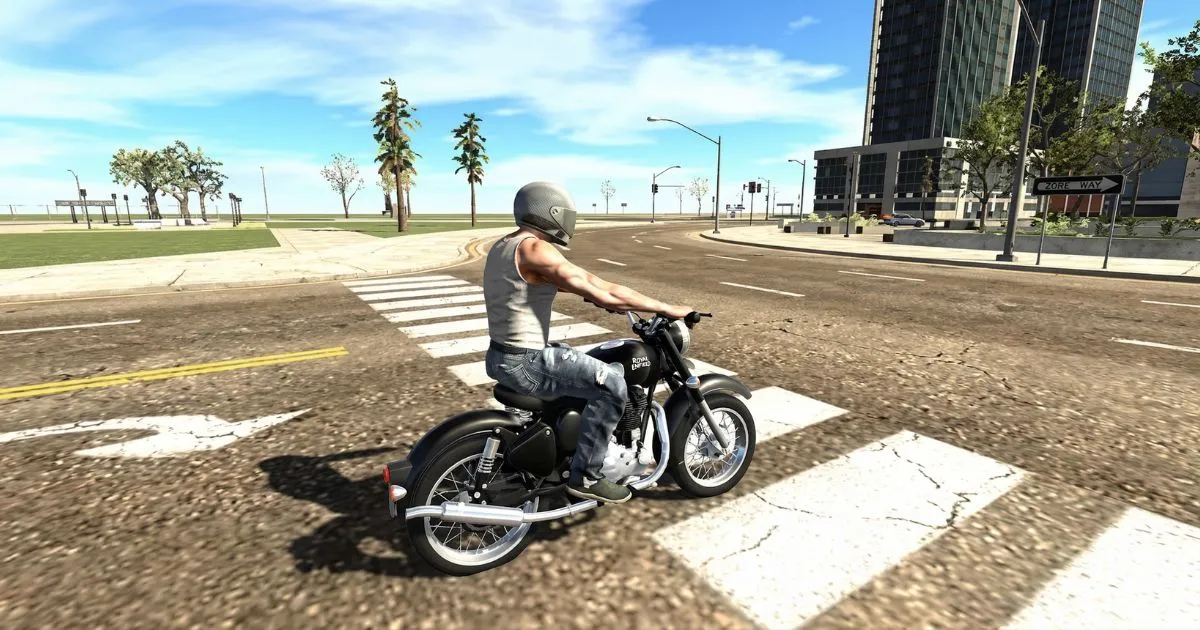
Timed missions in Indian Bike Driving 3D are where casual cruising ends and real planning begins. The clock does not care that traffic felt unfair—if you cross the line late, you restart. After hundreds of short sessions on phone and tablet, I have learned that players who clear these objectives are not always the fastest in a straight line; they waste the fewest seconds fixing mistakes. This guide explains how I approach Indian Bike Driving 3D timed content: reading the objective, building a mental route, managing intersections, and using retries without tilting. Whether you chase one star or a full chapter, the same habits apply. We stay within fair play—no exploits—just routing, brakes, and awareness. You will see step-by-step checkpoints, traffic habits that work on mobile, and a straight FAQ for the questions I get most often in chat. New to the game? Skim our getting started tutorial first, then return when timers start to sting.
What makes timed missions different from free roam?
In free roam you can loop the block until you memorize every pothole. Timed missions compress that learning into one pressure-filled run where hesitation and overconfidence both cost time. The game usually pairs a route with checkpoints, NPC vehicles that do not cooperate, and sometimes a tight final stretch. Your job is not to set a world record on lap one; it is to finish under the limit with a margin you can repeat. That mindset shift—from “I need to go fast” to “I need a clean line”—is the foundation for everything below.
Step 1: Read the objective and fail conditions
Before you move the bike, pause mentally and confirm what actually fails the mission. Some timers require every checkpoint in order. Others allow you to recover from a tap if you still beat the clock. If the UI shows damage rules or “no major collision” style wording, treat traffic gaps differently. I keep a simple rule: if I do not know the fail condition, I do one slow exploratory run to read signs and checkpoint placement, then restart with intent. That costs one attempt but saves five blind crashes.
Step 2: Map the route in three segments
Split the course into start, middle, and finish. The start is where you build rhythm—do not fight for the perfect line yet; survive the first two turns cleanly. The middle is where traffic density usually peaks; here you prioritize predictability over hero overtakes. The finish is where timers feel tightest because nerves kick in—hold a reserve of braking distance and avoid the temptation to cut across oncoming lanes for one second of glory. If you want deeper handling theory for each segment, our controls and handling guide breaks down steering and camera habits that pair well with this structure.
Step 3: Brake earlier than your instincts suggest
Mobile racing games reward smooth deceleration. Jamming the brake at the last pixel looks cool until you slide sideways into a rickshaw. Brake in a straight line before the corner, roll through the apex, then accelerate out. On a phone screen, “early” often means half a second earlier than feels natural. That half second buys you a line that does not require a corrective swerve—and corrective swerves eat more time than you think.
Step 4: Use traffic rhythm, not traffic luck
Indian city traffic in the game is not truly random; patterns repeat once you watch intersections twice. Notice which lanes move during a green phase and which vehicles hesitate. Position yourself in lanes that give exit options: if you must pass, pass on the side that still leaves a bailout path toward the shoulder. Racing games train you to hug the racing line; urban missions reward lane flexibility. When in doubt, wait one beat for a gap. The timer punishes crashes far more than it punishes patience.
Step 5: Manage retries like a practice session
If you fail, ask what single thing killed the run. Was it entry speed into a roundabout? A late checkpoint discovery? A camera blind spot? Change that one variable next attempt. If you fail twice for the same reason, stop mashing restart—either tour the route slowly once more or switch to another mission and return with fresh hands. Our broader mission tips article expands on retries and objective reading if you want parallel strategies for non-timed tasks.
Tips and tricks that actually help
- Audio cues: If the game gives horn or proximity feedback, use it. Eyes track cars; ears sometimes catch what the camera misses.
- Consistency over heroics: Two safe passes beat one risky squeeze that ends in a reset.
- Final sector discipline: When the finish marker appears on your minimap or HUD, ride like you already have the time—protect the run.
- Device comfort: Dry hands, stable grip, and a charged phone reduce micro-stutters in steering. Sounds basic; it matters in long sessions.
- Optional rewards: If the developer shares feature codes for cosmetics or small bonuses, redeem them when convenient—they do not replace skill, but they can tidy up your garage morale before another attempt.
When to tweak settings
If sensitivity feels twitchy, lower steering response in the options menu when the game provides it. If the frame rate dips, reduce effects or draw distance so your inputs stay predictable. Performance is part of the build for timed missions because a hitch mid-corner is effectively a hidden obstacle. There is nothing wrong with tuning the game so your hands match what the screen shows.
FAQ: Timed missions in Indian Bike Driving 3D
Why do I keep failing timed missions in Indian Bike Driving 3D even when I drive fast?
Raw speed without a clean line usually loses to one collision or one bad checkpoint approach. Brake earlier, protect the run, and finish without drama.
Should I change the camera for timed missions?
Yes, if you cannot read cross traffic. Switch during straights, not during overtakes, so you do not stack two risks at once.
Are feature codes required to pass timed missions?
No. Optional game codes may offer extras, but the mission clock cares about your driving.
How many retries before I change strategy?
After two identical failures, change something concrete: brake marker, lane, or entry speed into the problem corner.
Does lowering graphics help on older phones?
If you see stutter, smoother performance can make steering feel fair again. Use whatever quality preset keeps the frame pacing steady.
Conclusion
Indian Bike Driving 3D timed missions reward players who treat the city like a puzzle with moving pieces, not a drag strip. Learn the route, respect traffic rhythm, brake like you mean it, and treat every restart as a small experiment instead of a judgment on your skill. If a mission still feels impossible after applying these steps, take a break—motor memory improves after sleep more than after the tenth angry attempt. For more context on who runs this site and how we write guides, visit About us; if you spot an outdated checkpoint name after a patch, tell us through Contact so we can update this page. Good luck, ride clean, and may your next timer stop with seconds to spare.